
Case Study · Healthcare & Hospitals
Premium service contracts that are never held to their terms
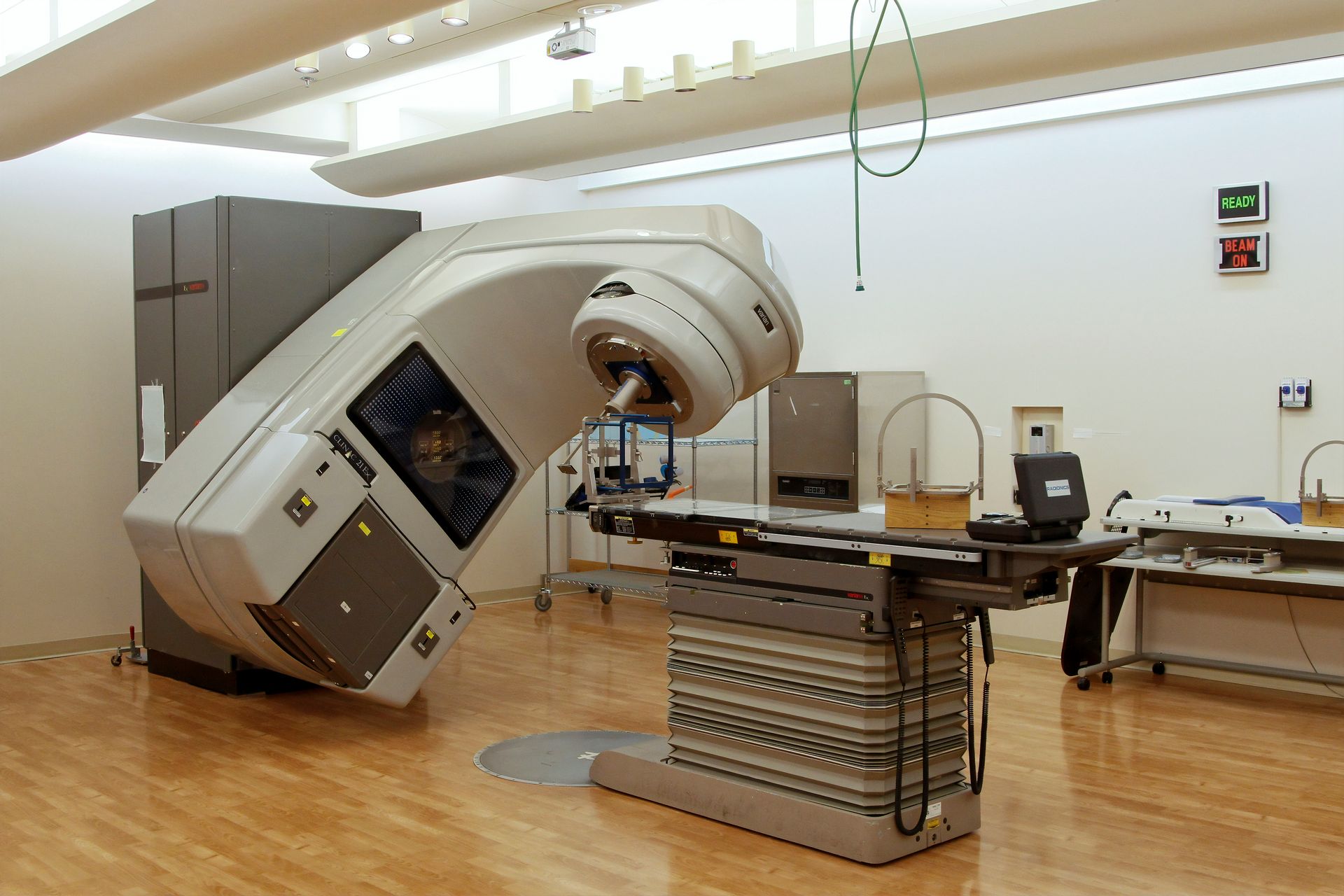
Hospitals pay premium rates for guaranteed response times on equipment that cannot go down. Yet in most networks nobody reconciles vendor performance against the contracted terms, and credits for missed SLAs go unclaimed year after year.
Why it happens
A hospital is in essence a mini city. Beyond the MRI machines, CT scanners, and lab equipment worth millions each, it runs its own power, water, HVAC, sterilisation, and transport systems, every piece under its own warranty or service contract with its own terms.
Downtime here is not just lost revenue. A scanner offline means delayed diagnoses and rescheduled procedures. A failed air handler can shut theatres. The risk lands on patients, which is exactly why hospitals pay premium rates for guaranteed response times.
Yet every department renews at the highest tier by default, because nobody can quantify the risk of stepping down, and when vendors miss their response targets the miss is rarely documented in a way that supports a credit claim. The guarantees hospitals pay for are effectively unenforced.
The Canary difference
Canary tracks vendor response and resolution times against each contract’s SLA terms, across clinical equipment and building plant alike, documenting every miss with the evidence needed to claim the credit.
Coverage tiers are assessed against each asset’s actual failure history and clinical criticality, separating the machines where downtime endangers patients, and premium response is worth every dollar, from the equipment renewed at the top tier out of habit.